Sage Frank · 4 November 2026
Eastern European University Data Centers Navigate Evolving Energy Challenges Amid Machine Learning Expansion
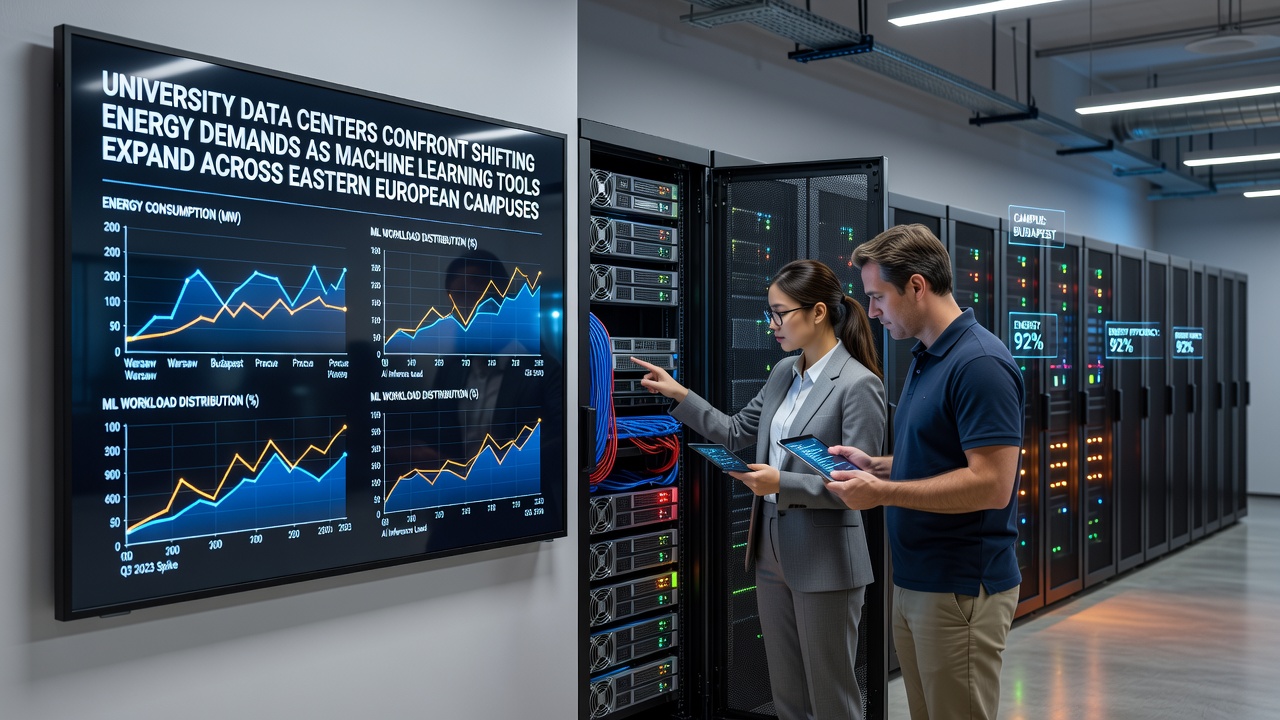
Data centers serving universities across Poland, Hungary, Romania and neighboring countries now handle increased computational loads from machine learning applications in research and teaching programs. Power consumption patterns have shifted as institutions deploy tools for image recognition, predictive modeling and natural language processing on local infrastructure rather than relying solely on external providers. Observers note that average daily energy draw at several mid-sized campus facilities rose between 2024 and 2026, driven by training runs that require sustained GPU utilization. Researchers at institutions in Warsaw and Budapest documented these changes through internal metering systems installed in 2023. Figures from those deployments show peak loads occurring during semester project deadlines when multiple departments run parallel experiments. Campus operators have responded with adjustments to cooling schedules and workload scheduling software. Some facilities now route non-urgent batch jobs to off-peak hours when regional grid demand drops. This approach appears in documentation from technical universities in Cluj-Napoca and Brno, where staff track hourly consumption against national electricity pricing signals.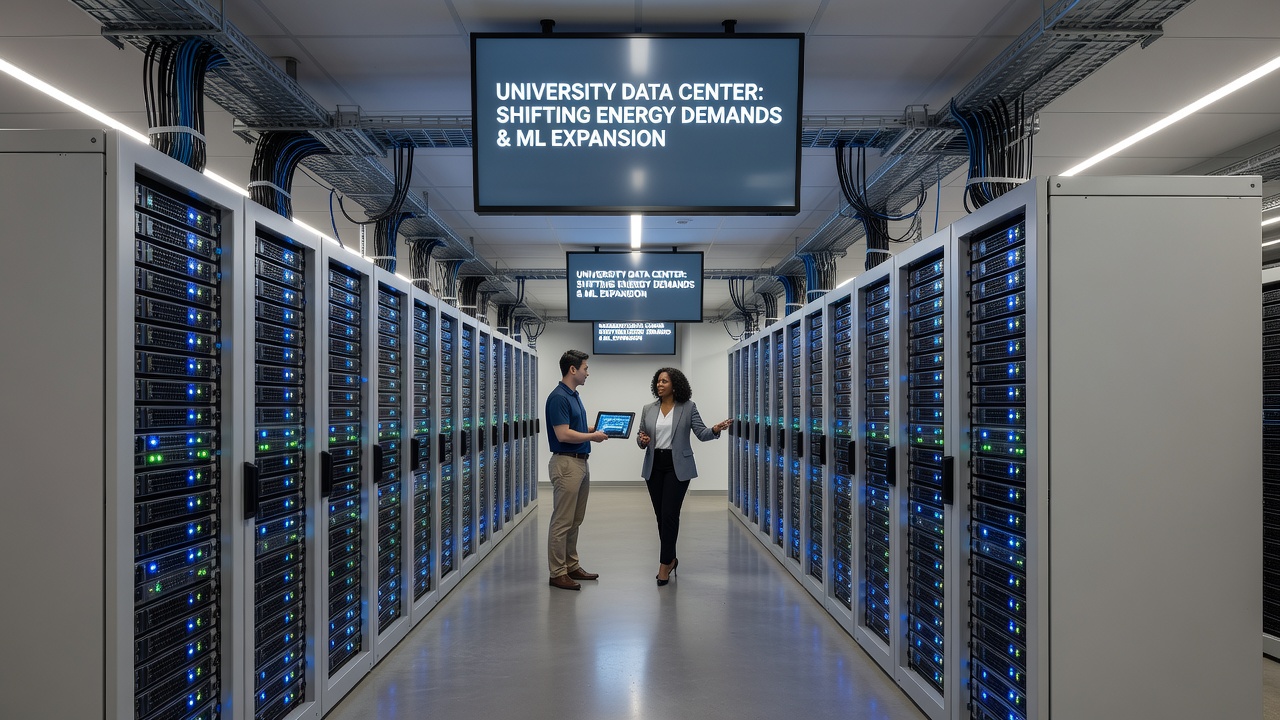
Data centers serving universities across Poland, Hungary, Romania and neighboring countries now handle increased computational loads from machine learning applications in research and teaching programs. Power consumption patterns have shifted as institutions deploy tools for image recognition, predictive modeling and natural language processing on local infrastructure rather than relying solely on external providers. Observers note that average daily energy draw at several mid-sized campus facilities rose between 2024 and 2026, driven by training runs that require sustained GPU utilization. Researchers at institutions in Warsaw and Budapest documented these changes through internal metering systems installed in 2023. Figures from those deployments show peak loads occurring during semester project deadlines when multiple departments run parallel experiments. Campus operators have responded with adjustments to cooling schedules and workload scheduling software. Some facilities now route non-urgent batch jobs to off-peak hours when regional grid demand drops. This approach appears in documentation from technical universities in Cluj-Napoca and Brno, where staff track hourly consumption against national electricity pricing signals.Regional Infrastructure Variations
Eastern European campuses differ in baseline power capacity and access to renewable sources. Universities in coastal Baltic locations often draw from wind-integrated grids, whereas inland sites depend more on coal and gas mixes that fluctuate with seasonal heating needs. Data compiled by national education ministries indicates that institutions with older substations face tighter constraints when adding new accelerator hardware. One study released in November 2026 by a consortium of technical universities examined six sites over eighteen months. It recorded average increases in monthly kilowatt-hour usage ranging from 18 percent at smaller humanities-focused campuses to 47 percent at engineering schools with active computer vision labs. The report linked these trends to the growing number of graduate theses incorporating machine learning components.Monitoring and Optimization Practices
Facilities managers have adopted real-time dashboards that display both IT load and supporting infrastructure draw. These systems allow operators to identify when cooling fans or power distribution units account for disproportionate shares of total consumption. Teams at several Romanian universities integrated such monitoring after 2025 upgrades to their network operations centers. Power usage effectiveness metrics at tracked sites improved modestly once dynamic voltage scaling and container orchestration tools were applied to machine learning pipelines. Technicians report that these changes reduced idle GPU time without altering research output timelines. Similar adjustments appear in Hungarian case summaries presented at regional higher-education IT meetings.External analyses from organizations such as the International Energy Agency place these campus-level shifts within broader European patterns of rising digital workloads. University procurement records show growing purchases of high-density servers designed for parallel processing tasks. Procurement officers note that newer models carry higher nameplate power ratings than previous generations, prompting reviews of electrical service entrances.